
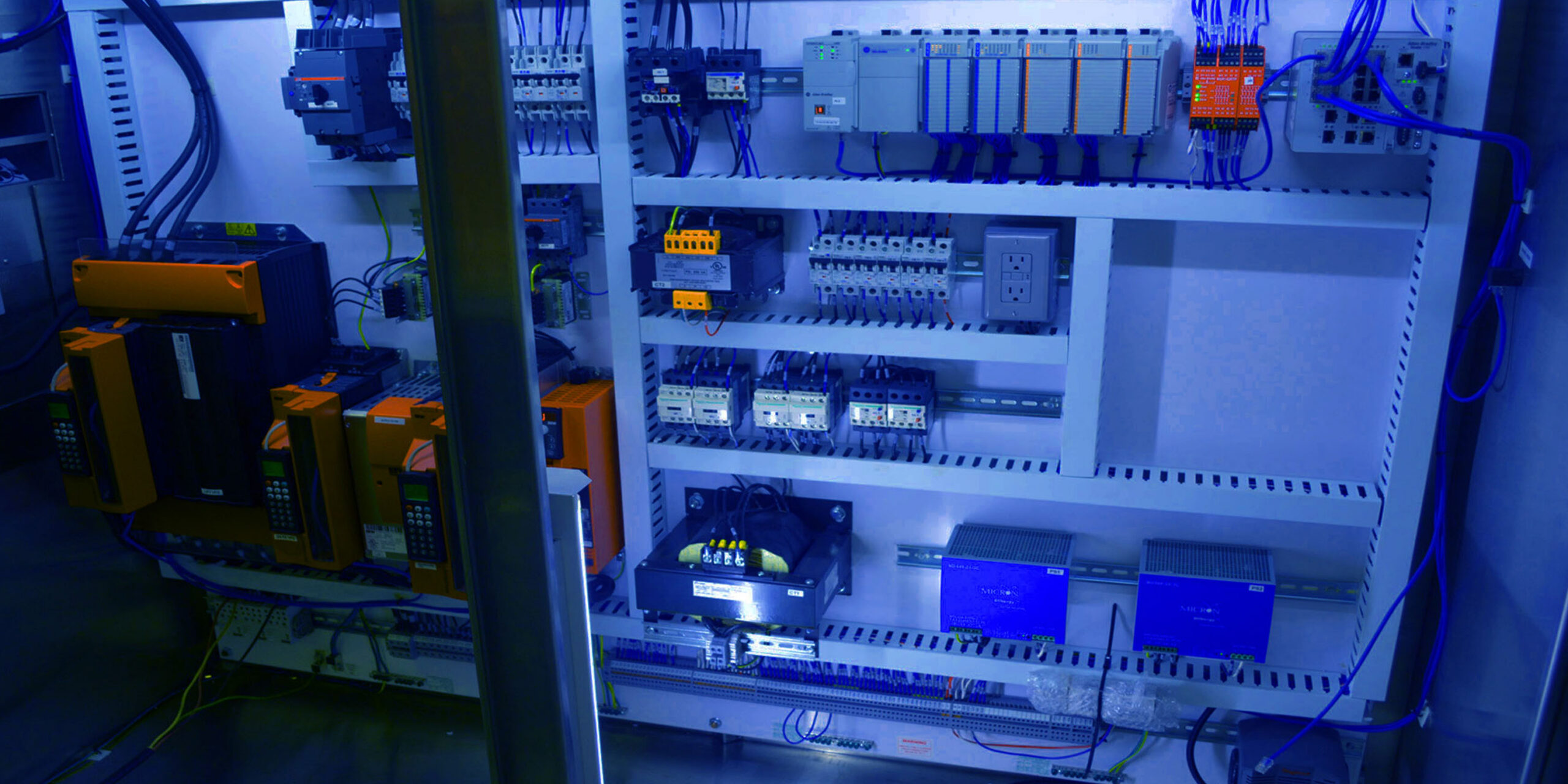
How an Aging PLC System Can Increase Risk Across Industrial Operations
PLC (programmable logic controller) systems form the backbone of industrial automation, controlling processes that directly impact uptime, safety, and production output. Because these systems are designed for long service lives, many remain in operation well beyond their original lifecycle expectations.
Over time, aging PLC platforms can introduce less visible but increasingly material operational and business risk. Declining support, reduced reliability, and integration limitations often surface gradually—until they begin to affect performance and planning. For many operations, early PLC lifecycle planning is the difference between a controlled PLC upgrade and an unplanned PLC replacement after failure.
Understanding where a PLC system sits in its lifecycle allows organizations to make informed decisions early, reducing downtime, protecting revenue, and future-proofing automation investments.
In this article, we’ll cover:
- How changes in manufacturer support signal PLC obsolescence
- Why replacement part availability becomes a growing operational risk
- How reliability and maintenance trends indicate aging control hardware
- Where integration limitations restrict modernization and data visibility
- How increasing effort for minor PLC changes signals deeper obsolescence and operational constraint
- How proactive lifecycle planning helps avoid disruption and control risk
- How OSCO Controls’ decades of experience help organizations plan PLC modernization with confidence.
Let us help you identify PLC obsolescence risks early to protect uptime and operational continuity.
Why PLC Lifecycle Awareness Matters
PLC-based control systems are often expected to run reliably for years—sometimes decades—without drawing attention. That longevity can create a false sense of security, especially when systems continue to operate long after the manufacturer’s support and technology standards have evolved.
Aging PLC systems rarely fail without warning. Instead, risk increases incrementally as support structures erode, replacement parts become harder to source, maintenance effort grows, and integration with modern automation systems becomes more difficult. These issues don’t just affect one controller—they can ripple across the broader industrial controls environment and stall industrial automation modernization efforts when legacy platforms become hard to support. Left unaddressed, this exposure can threaten production schedules, cybersecurity posture, compliance requirements, and revenue.
The challenge is recognizing when a PLC has crossed the line from a dependable legacy asset to a source of growing operational exposure. In most facilities, that transition reveals itself through a consistent set of warning signs.
The five indicators below highlight when a PLC system is becoming obsolete—and when proactive planning is needed to avoid unplanned downtime and costly emergency upgrades.
Sign #1 – Manufacturer Support Has Ended or Is Ending
One of the earliest and most reliable indicators of PLC obsolescence is the status of manufacturer support. As PLC platforms age, manufacturers formally transition them through two stages: end-of-support and end-of-life.
End-of-support means the manufacturer no longer provides firmware updates, security patches, or technical assistance, even though the hardware may still be installed and operating. End-of-life occurs when the hardware is no longer manufactured or officially supported, making replacements increasingly difficult to obtain.
Once a PLC reaches either stage, responsibility for long-term supportability increasingly shifts to the facility. Troubleshooting becomes more challenging, cybersecurity exposure increases, and long-term planning becomes more complex without clear vendor-supported paths forward.
Sign #2 – Replacement Parts Are Hard to Find
As PLC platforms approach obsolescence, sourcing replacement components becomes increasingly tricky. As platforms age, some organizations rely on refurbished hardware, surplus inventory, or secondary markets to extend system availability.
Lead times for these components are often unpredictable, costs increase, and availability can change without notice. When a critical failure occurs, extended downtime becomes a real risk simply because the necessary parts cannot be sourced quickly.
Over time, dependence on scarce replacement parts can complicate routine maintenance and increase exposure to extended downtime or forced system replacement.
Sign #3 – System Reliability Issues Are Increasing
Aging PLC hardware is exposed to years of heat, vibration, electrical noise, and environmental stress. As components degrade, systems may experience more frequent faults, unexplained resets, or intermittent behavior that is difficult to diagnose.
These reliability issues often appear gradually, requiring increased maintenance attention and consuming engineering resources that could otherwise be directed toward optimization or improvement initiatives.
When maintaining system stability requires growing effort year over year, it is often a sign that the PLC platform is nearing the end of its reliable service life.
Sign #4 – Your PLC Can’t Integrate with Modern Systems
Modern industrial operations rely on connected systems to improve visibility, efficiency, and decision-making. PLCs are increasingly expected to interface with SCADA platforms, MES systems, and plant-level data collection tools that support monitoring, automated diagnostics, and continuous improvement.
Legacy PLC programming platforms may lack the communication protocols, processing capability, or cybersecurity features required to integrate with these systems effectively. As a result, organizations may struggle to access real-time operational insight or align automation with broader digital initiatives.
When a PLC limits integration rather than enabling it, operational agility declines, and long-term industrial automation modernization efforts become harder to execute. In many cases, this also delays a planned automation system upgrade because legacy PLC constraints force workarounds, restrict visibility, or prevent secure connectivity to newer platforms.
Sign #5 – Minor Control Changes Require Major Effort
Another indicator of PLC obsolescence is the increasing effort required to implement even minor changes. Programming environments for legacy platforms may no longer be supported, and in-house expertise often diminishes over time.
Simple updates—such as modifying logic, software input, adding I/O, or adjusting process parameters—can turn into time-consuming projects that require specialized resources.
When routine adjustments become disruptive, the PLC system is no longer supporting operations—it is constraining them.
Planning for PLC Obsolescence Before It Impacts Operations
Recognizing PLC obsolescence is only the first step; how early that recognition occurs often determines the range of available options.
Reactive replacements frequently lead to extended downtime, compressed decision-making, and higher overall costs. Proactive planning allows organizations to modernize on a controlled timeline—whether that means a phased PLC upgrade, a scheduled PLC replacement, or a broader automation system upgrade—while aligning technical decisions with operational and business priorities.
Developing a lifecycle roadmap helps organizations understand where each PLC system stands, prioritize upgrades based on operational risk, and align modernization efforts with maintenance schedules, capital planning, and production requirements. A roadmap provides easy visibility into near-term vulnerabilities while supporting long-term automation strategy.
At OSCO Controls, modernization and retrofit strategies are tailored to the condition, criticality, and long-term role of each PLC system. Options may include custom control panels, PLC automation upgrades to supported platforms, phased system replacements, or broader control architecture updates designed to reduce risk while preserving operational continuity.
OSCO Controls’ Experience Supporting PLC Modernization
Successfully addressing PLC obsolescence requires experience across both legacy systems and modern automation architectures, as well as an understanding of how those systems coexist during transition periods. That perspective matters because PLC lifecycle decisions sit at the center of long-term industrial controls performance, supportability, and risk management.
OSCO Controls has supported manufacturers and OEMs through a wide range of modernization initiatives, including upgrading manufacturing process control panels to improve long-term supportability and maintainability.
That experience is reinforced through collaboration with major automation vendors, including working alongside Rockwell Automation to support long-term PLC platform strategies aligned with supported technologies.
OSCO also works across industries that rely on custom control systems, where PLC lifecycle planning directly impacts uptime, production continuity, and business performance.
This breadth of experience, coupled with comprehensive service and onsite support, allows PLC modernization efforts to be approached strategically—balancing risk reduction, operational continuity, and future automation goals.
Plan PLC Modernization Before Obsolescence Forces Downtime
If one or more of these warning signs looks familiar, the most effective step is often to assess risk early—before a component failure or support cutoff dictates the timeline. A structured PLC evaluation can clarify which systems can be maintained safely, which should be prioritized for upgrade, and what a phased modernization plan could look like.
Looking ahead at PLC lifecycle risk? Contact OSCO Controls to partner on evaluating aging systems, planning upgrades, and supporting long-term automation reliability.
Address PLC Obsolescence Before It Becomes a Business Risk
Aging PLC systems introduce risk long before complete failure occurs. Declining support, limited part availability, increasing maintenance effort, and integration constraints all signal that a platform may be approaching obsolescence.
Left unaddressed, these issues can threaten uptime, production schedules, cybersecurity posture, and revenue. By recognizing the warning signs early and planning modernization proactively, organizations gain greater control over timelines, costs, and operational impact.
Evaluating PLC lifecycle status before failure occurs allows teams to protect existing investments while positioning automation systems to support future operational demands.
As an industry leader with decades of experience in industrial automation, OSCO Controls sets the standard for PLC evaluation, modernization, and long-term lifecycle planning. If you’re looking for a trusted partner to guide your next steps, we’d welcome the opportunity to work with you!